When a couple already owns the usual kitchenware, linens and home essentials, the best wedding gift is rarely another object for a shelf. Choose something that creates time together, solves a small everyday problem, preserves a meaningful memory or gives them a reason to look forward to an experience. These ideas are designed to be personal without depending on their exact taste, home style or gift registry.
A shared experience with a date already chosen
Give the couple something to do together rather than something they need to store. This could be a cooking class, concert tickets, a museum membership, a guided walk, a weekend activity or a reservation at a restaurant they have wanted to try. The most useful version includes a clear plan: write the activity, suggested date range and any booking details in the card so the gift does not become an abstract promise. Before choosing, consider their actual routines and preferences. A quiet couple may appreciate a tasting, craft workshop or scenic day trip more than a crowded event, while frequent travellers may value an activity at home. If the gift depends on availability, choose a flexible voucher or offer several date options. You can also add a small practical detail, such as childcare support, transport money or a note offering to look after a pet, because removing the logistical obstacle often makes the experience much more likely to happen.
A planned anniversary or newlywed time capsule
A time capsule turns a wedding gift into a future ritual. Provide a sturdy box or envelope set with prompts such as “What surprised us this year?”, “What are we learning together?” and “What do we want to remember about this season?” Ask the couple to complete the first note after the wedding, then add one each anniversary. Leave enough room for photographs, ticket stubs or a short letter, but avoid filling it with too many instructions; the habit should feel inviting rather than like homework. You can make the gift more personal by including a letter about the couple as you know them now, along with a prediction for their first year of marriage. Avoid writing assumptions about children, home ownership or other milestones. The strongest messages focus on qualities you have genuinely seen, such as their humour, patience, hospitality or ability to support one another. A yearly reminder in your calendar can be an especially thoughtful addition, since even a beautiful time capsule can be forgotten during a busy first year.
A comfort upgrade for their everyday routine
Couples who have everything may still have ordinary items that are worn out, mismatched or less comfortable than they could be. Look for an upgrade connected to a routine they already enjoy: a better breakfast setup, a cosy reading corner, a sleep-friendly accessory, a durable picnic kit or something that makes post-work relaxation easier. The key is to improve an existing habit rather than introduce a new hobby they may not have time for. Pay attention to practical constraints before buying. Check whether they have storage space, whether either person has material sensitivities, and whether the item needs a specific size or care method. If you do not know their preferences, choose neutral colours and flexible designs, or give a gift card alongside a handwritten suggestion. For a more personal touch, explain the moment you hope the gift will enhance: slow Sunday mornings, rainy evenings or the first quiet night after the wedding celebrations.
A comfort upgrade for their everyday routine
Shop the find ↗Personalised robes for a private newlywed ritual
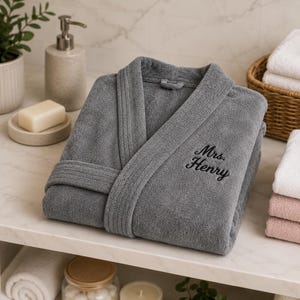
A personalised robe can work well when it supports a simple ritual rather than being presented as a novelty item. The custom hooded bathrobes from {{listing:4516959711}} are suited to couples who enjoy relaxed mornings, spa-style evenings or getting ready together on a winter weekend. If you choose this kind of gift, confirm names, initials, spelling, sizing and the preferred personalisation details before ordering; a small error can make a custom item difficult to use or exchange. Think about when the couple will wear the robes and whether the design fits their home and habits. A robe can be paired with a note inviting them to reserve one slow morning each month, or with a non-perishable addition such as a tea blend or a playlist suggestion if you know their tastes. Avoid assuming that matching items must be identical in every detail; personalising each robe separately can make the gift feel considered while still creating a shared set.
A contribution toward a specific future goal
Money is more meaningful when it is connected to something the couple has chosen, such as a honeymoon meal, home project, moving costs, a course or a future celebration. Instead of placing an unexplained amount in a card, describe your intention clearly: “For the first dinner of your next trip” or “For the garden project you have been planning.” This gives a practical gift emotional context without telling the couple how they must spend it. If several guests are contributing to a larger goal, coordinate privately so the couple does not receive confusing or duplicate messages. You can also make the presentation useful by including a small planning sheet with spaces for the goal, target date and ideas. Do not make the gift conditional on achieving a particular milestone, and avoid asking for proof of how it was spent. The purpose is to give them flexibility while showing that you listened to what matters to them.
A service that gives them time back
For a couple with a full schedule, a service may be more valuable than another possession. Depending on what is available locally, consider a house-cleaning session, garden help, meal delivery, car detailing, a laundry service or a professional organisation consultation. Choose a reputable provider and be transparent about what is included, how booking works and whether the recipient must be home during the appointment. Timing matters. A cleaning service shortly after the wedding may be welcome, but an appointment arranged without checking could create stress. Give the couple a flexible booking option and make the practical details easy to understand. If a commercial service feels too personal or uncertain, offer your own help with a defined task and time limit, such as preparing a meal, assembling furniture or returning rented items. Specific offers are easier to accept than “let us know if you need anything.”
A story-based custom keepsake
Choose a keepsake that records something meaningful about the couple rather than simply displaying their names and wedding date. Possibilities include a map of where they met, a handwritten recipe from a family member, a small illustration of a significant place or a collection of short messages from friends. Ask what information the maker needs before ordering, and use details with emotional value rather than adding every available date, phrase and symbol. The best keepsakes are easy to display or store and fit the couple’s existing style. If you are unsure about colours, frames or dimensions, select a smaller format or give the couple control over the final presentation. Proofread every personal detail, especially names, accents, dates and locations. Also consider whether the story belongs to both partners; a beautiful gift should reflect their shared relationship rather than focusing only on the person you know best.
A flexible date-night kit built around their tastes
A date-night kit is most useful when it offers a framework, not a pile of random items. Build it around one theme they already enjoy, such as a film night, breakfast-for-dinner, puzzle evening, local-food tasting or outdoor picnic. Include a short plan, a few conversation prompts and ingredients or supplies that will not spoil quickly. Leave room for substitutions so the couple can adapt it to dietary needs, energy levels and whatever is already in their cupboards. Avoid choosing highly specific food, alcohol or entertainment unless you know both partners will enjoy it. A practical alternative is to pair a gift card with a printed itinerary: choose a film, prepare a simple meal, put phones away for an hour and end with a question about a future plan. Add a “rainy day” version if the original activity depends on good weather. The thoughtfulness comes from making time together easier to start, not from making the evening elaborate.
A family recipe or memory collection
Invite relatives and close friends to contribute a recipe, photograph, story or piece of advice, then assemble the responses into a digital file, bound booklet or organised box. Set a clear deadline and provide a simple prompt so contributions are consistent: “Tell us about a meal you remember sharing with them” or “Write the recipe you hope they will make together.” Ask contributors to label names and dates, and check whether they are comfortable with their words being shared. Keep the finished collection manageable. A smaller set of polished contributions is easier to read than a huge archive with repeated messages. You can include blank pages for the couple to add their own recipes and stories later, turning the gift into something that grows. If photographs are included, note who appears in each image and store digital copies in more than one place. This kind of gift is especially valuable to couples who live far from family or are combining traditions, because it preserves context as well as content.
A thoughtful future-help promise
Offer support that will be useful after the wedding excitement has faded. Examples include hosting a relaxed meal, helping with thank-you notes, taking photographs for a future project, lending equipment or spending an afternoon completing a practical task. Write down exactly what you are offering and when it can be used. “One afternoon of help with unpacking, available during the next three months” is far more actionable than “I am always here if you need me.” Respect the couple’s boundaries and make the offer easy to decline or reschedule. Do not assume they will want advice, visitors or help with personal decisions. You can pair the promise with a small card explaining why you chose it, especially if your support reflects something you have seen them working toward. A useful gift does not have to be expensive; reliable follow-through can be more memorable than an item selected without knowing what their next season actually requires.
A low-pressure subscription or recurring treat
A recurring gift can give the couple small moments to look forward to, provided it matches their habits and does not create another obligation. Consider a short-term subscription connected to something they already use, such as books, coffee, flowers, films, craft materials or a local cultural programme. Check the duration, delivery area, cancellation terms and whether the recipient must create an account before choosing it. Shorter is often safer than committing them to a long period, particularly when you are unsure of their preferences. If a subscription requires regular decisions, explain how the couple can pause or change it. You can also make the first delivery more personal with a note suggesting how to enjoy it together, while making clear that they are free to use it separately. The goal is a modest recurring pleasure, not a new calendar task disguised as a present.


