Your entrance is the first real moment guests feel the tone of your wedding, so it should do more than look pretty. The best entrance details help people find their way, feel welcomed, and understand the mood of the day within seconds. Here are 19 practical, high-impact ideas that create that “wow” feeling without making the space feel overdone.
Start with a clear welcome point
A strong entrance begins with one obvious place where guests know to arrive, pause, and orient themselves. Use a welcome sign, a table, or a simple focal point so people do not drift around wondering where to go first. The goal is calm, not clutter: one clear message, one clear direction, and enough space for guests to stop without blocking the flow.
Start with a clear welcome point
Shop the find ↗Add a sign that matches the mood of the day
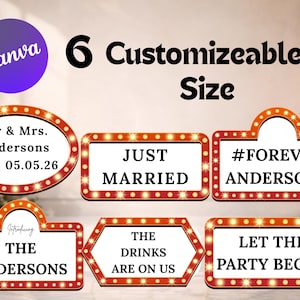
Entrance signage works best when it feels like part of the wedding design rather than a separate afterthought. A retro-inspired or marquee-style sign can instantly signal the tone of the celebration, especially if your wedding leans glamorous, playful, or evening-focused. If you want something flexible, a template-based option can help you create a polished look while keeping the wording personal and easy to update.
Add a sign that matches the mood of the day
Shop the find ↗Use lighting to guide the eye
Guests notice light before they notice small decor details, so even a simple entrance can feel dramatic with the right glow. Think in layers: a lit sign, candles in safe holders, lanterns, or uplighting that draws attention toward the doorway or welcome table. Avoid over-lighting the area; you want a warm invitation, not a stage set that overwhelms the rest of the room.
Create a short, easy path into the space
A beautiful entrance should also be easy to navigate, especially for guests arriving in heels, carrying gifts, or helping children. Keep the route obvious with rugs, floral markers, lanterns, or a line of arrangements that naturally lead people forward. If the entrance is outdoors, check for uneven ground, puddles, or tight corners so the first impression feels thoughtful rather than awkward.
Make the welcome table useful, not crowded
The best welcome tables do a few jobs well: they greet guests, answer practical questions, and set the tone. Include only what people actually need at arrival, such as a sign-in book, a ceremony program if relevant, or a simple note directing them to the next step. Too many objects make the table feel busy and can hide the details you want guests to notice first.
Bring in one personal detail that feels unmistakably yours
A wedding entrance becomes memorable when it includes something that reflects the couple, not just the theme. That could be a line from your vows, a shared hobby, a family tradition, or a visual nod to how you met. Keep it subtle and specific; one meaningful detail is usually stronger than several generic ones competing for attention.
Use flowers where they frame, not where they block
Floral arrangements at the entrance should guide guests into the space, not create a wall they have to walk around. Tall arrangements can work well if they sit to the sides of a doorway or sign, while lower pieces are better for tables and ledges where people need to read information. If your budget is tight, focus on one or two high-impact placements instead of spreading blooms thinly across every surface.
Add a photo moment that does not interrupt traffic
Guests love a beautiful entrance photo spot, but it should not become a bottleneck. Place any statement backdrop, floral feature, or sign slightly off the main path so people can stop for pictures without blocking arrivals. This is especially useful if you expect guests to arrive in waves, because it lets the entrance feel lively without turning into a queue.
Give guests one simple instruction at the door
A small amount of guidance can make the whole arrival feel smoother. If guests need to sign in, take a seat, collect confetti, or wait for seating, say so clearly in one short line rather than a paragraph of text. Clear instructions reduce awkward questions and help the entrance feel polished, because people can relax as soon as they arrive.
Use texture to make the space feel finished
Texture is one of the easiest ways to make an entrance feel designed rather than assembled. Mix materials like linen, wood, glass, metal, or greenery so the area has depth even before guests notice the finer details. This works especially well if your venue is plain or modern, because texture adds warmth without needing a lot of extra decor.
Include a groom’s detail that feels coordinated, not matchy
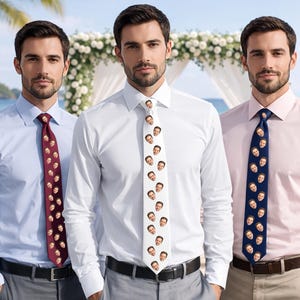
Small style choices on the wedding party can echo the entrance design in a subtle way. A personalised tie, for example, can tie the groom or groomsmen into the wedding’s colour story or overall mood without looking overly staged. It is a useful detail when you want the first impression to feel cohesive from the doorway to the aisle.
Include a groom’s detail that feels coordinated, not matchy
Shop the find ↗Keep the colour palette tight
An entrance looks more expensive and intentional when the colours are edited down to a few well-chosen shades. Pick one main colour, one supporting tone, and one neutral, then repeat them in the sign, flowers, fabric, and lighting. If every element introduces a new colour, the eye has nowhere to rest and the entrance can feel busier than it needs to be.
Add movement with fabric or greenery
Soft movement makes an entrance feel alive, especially in photos. Draped fabric, hanging greenery, or a lightly layered installation can add elegance without requiring a large amount of decor. Keep the placement intentional so it frames the space rather than dangling where guests might brush against it on the way in.
Think about what guests see from a distance
The entrance should read well from several steps away, not only up close. That means using larger shapes, clear lettering, and a focal point that is visible before guests reach the door or welcome table. If the details only make sense once people are standing right beside them, the first impression is likely to be lost.
Make the first stop feel comfortable
Guests relax faster when the arrival area is physically comfortable as well as attractive. Provide shade, cover, seating, or a place to set down a bag if the entrance is outdoors or if there is a wait before the ceremony begins. Comfort is part of hospitality, and it often matters more than one extra decorative item.
Use one statement piece instead of many small ones
A single strong feature often has more impact than a cluster of tiny decorations. That might be a marquee-style sign, a large floral arrangement, or a striking table display that immediately tells guests they are in the right place. When you choose one anchor piece, the rest of the entrance can stay simpler and still feel complete.
Use one statement piece instead of many small ones
Shop the find ↗Add a scent only if it is subtle
A light scent can make an entrance feel memorable, but it should never be so strong that it competes with the food, flowers, or the venue itself. If you use candles, diffusers, or fresh greenery, keep the fragrance gentle and consistent with the setting. The best scent details are the ones guests notice only after they have already settled in.
Tie the entrance to the rest of the event
The entrance should feel like the opening chapter of the wedding, not a separate scene. Repeat a motif, font, colour, or material from the ceremony and reception so guests immediately understand the visual story. This creates a sense of continuity and makes the whole day feel more thoughtful, even if the entrance itself is relatively simple.
Leave room for the moment to breathe
One of the most overlooked entrance details is negative space. If every surface is filled, the eye cannot focus and the special pieces lose impact. Give your sign, flowers, or focal feature a little breathing room so guests can take it in, photograph it, and feel the atmosphere before they move on to their seats.