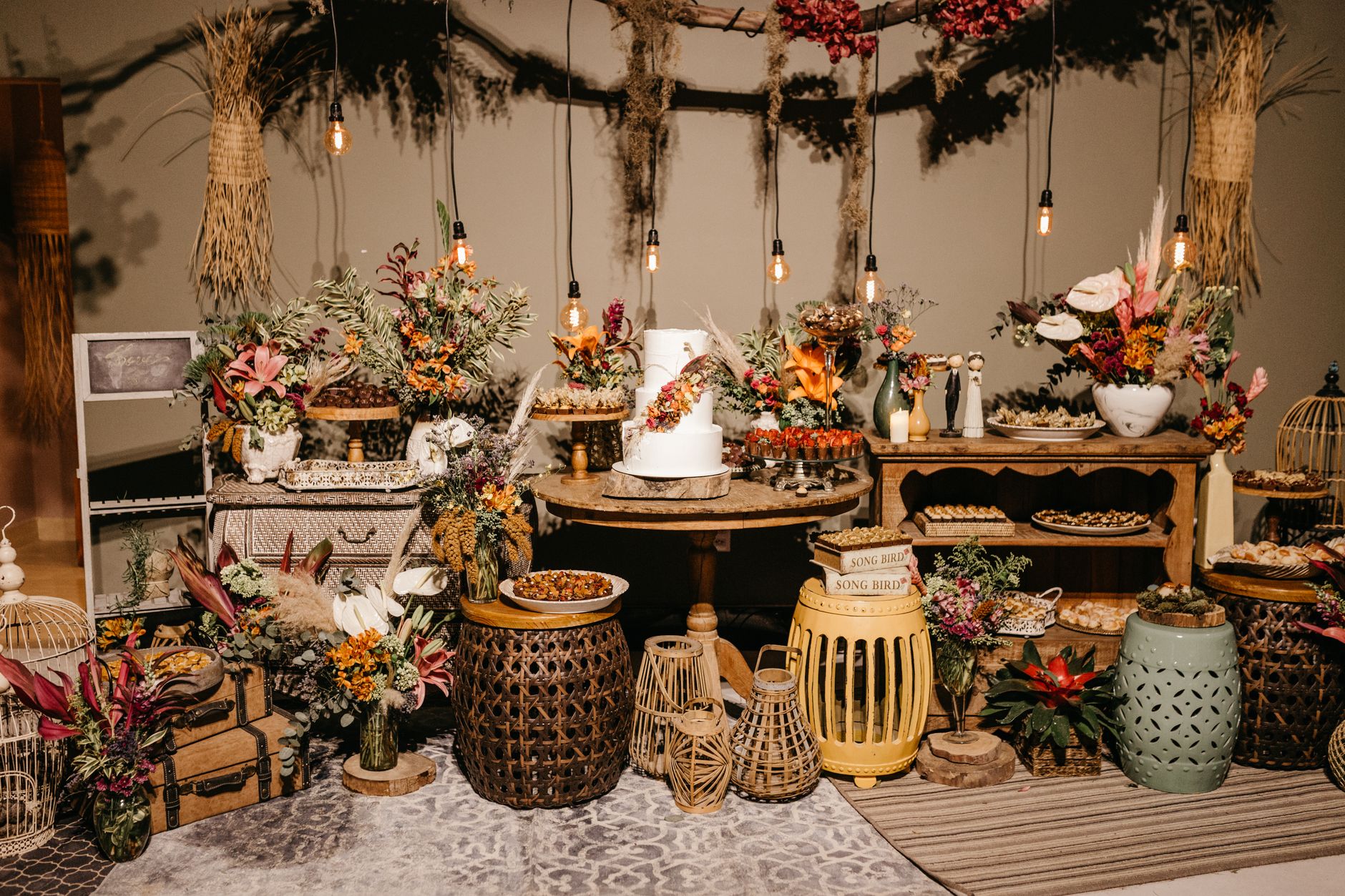
Guests may not remember every floral variety or table decoration, but they do remember how easy, comfortable and personal the reception felt. These 19 details are grouped into 10 practical areas, so you can improve the experience without adding unnecessary complexity or expense.
1–2. A welcome that answers questions before guests ask
The first few minutes set the tone for the entire reception. Give guests an obvious place to go when they arrive, whether that is a welcome table, a seating display or a clearly marked path from the ceremony space. Include the information they need immediately: where to leave cards, whether seating is assigned, where the bar is and when food or speeches will begin. A small, well-placed sign can prevent a queue of guests asking the same question at once. Also consider the transition from ceremony to reception. If there is a gap between the two, explain what guests should do during it rather than assuming everyone will understand the schedule. If transport is involved, display departure times in more than one location and appoint one person to answer practical questions. A calm, informed arrival feels more welcoming than a highly decorated entrance that leaves people uncertain.
3–4. Seating that is comfortable and easy to understand
A seating plan should be readable within seconds. Use large enough text, strong contrast and a layout that does not force guests to crowd around one tiny board. Alphabetical lists are often quicker to scan than tables arranged visually, but whichever format you choose, make the logic obvious. If guests have assigned seats rather than just assigned tables, make each place card easy to spot and spell names correctly. Comfort matters just as much as organisation. Avoid placing older guests directly beside speakers, and do not isolate anyone at a table where they know nobody unless you have considered an introduction. Leave enough space for chairs to pull out and for guests using mobility aids to move comfortably. A beautiful table plan cannot compensate for a chair that is difficult to sit in or a table that is awkward to reach.
5–6. Food service that feels generous and considerate
Guests notice the rhythm of a meal more than the complexity of the menu. Try to avoid long stretches when people have nothing to eat, particularly if the reception begins around a normal mealtime. If photographs or speeches will delay the main meal, provide a substantial canape or clearly communicate the timing so guests can plan their expectations. Keep water available throughout rather than treating it as an afterthought. Handle dietary requirements discreetly but visibly enough to be useful. Ask for details in advance, pass an accurate list to the caterer and make sure the relevant meals are labelled or served directly to the right guests. Do not make someone explain an allergy publicly while everyone else is eating. It is also worth checking whether vegetarian, vegan, halal, kosher or alcohol-free guests have a complete meal rather than a plate assembled from side dishes.
7–8. Drinks and music that serve the whole room
A good drinks setup reduces waiting and gives people genuine choice. Put water where guests can reach it without joining the bar queue, and consider a non-alcoholic option that feels intentional rather than like an afterthought. If the bar is open only at certain times, tell guests through the schedule or a small sign. Keep glassware and bins from spilling into the main walkway, especially near the dance floor. Music shapes the reception even when guests are not consciously analysing it. Share useful guidance with your DJ or band: songs or genres to avoid, the approximate volume you want during dinner and any important cultural or family moments. Keep speeches audible without making conversation impossible between them. A playlist that gives different generations a reason to stay on the floor will usually create a warmer atmosphere than one designed around only the couple’s favourites.
9–10. A dance floor that feels inviting, with lighting that helps
Guests are more likely to dance when the floor is easy to find, large enough for the number of people attending and not surrounded by obstacles. Avoid placing it so close to the buffet that people must cross through dancers to get food. If you are hiring a band or DJ, allow enough room for their equipment without shrinking the usable floor. A simple announcement or first dance can signal that the floor is open, but guests should not feel pressured to perform. Lighting should support faces, movement and photographs rather than compete with them. During dinner, softer, steady lighting helps guests talk and see their food; later, more energetic lighting can mark the change in mood. Check that uplighters, candles or coloured effects do not make menus unreadable or create dark hazards on steps. Before the day, ask to see a sample setup if possible, since lighting can look very different in an empty venue than it does with a full room.
11–12. Physical comfort and useful facilities
Temperature is one of the details guests notice quickly but rarely mention to the couple. Ask the venue how the room behaves at the time of year you are marrying, and identify what can be adjusted if the space becomes warm, cold or draughty. In hot weather, place water and fans where people can actually use them; in colder conditions, make coats easy to retrieve and avoid blocking heating vents with furniture or décor. Do a practical walk-through of the restrooms before guests arrive. Check that signs are visible, supplies are stocked and bins will not overflow during the event. If the venue has a baby-changing area, step-free access or another useful facility, make it easy to find. A small basket of essentials can be helpful, but it should supplement proper venue arrangements rather than disguise a lack of basics.
13–14. Photographs and speeches that respect the occasion
Guests generally enjoy being included in photographs when they know what is happening. Give the photographer a short list of essential combinations and family sensitivities, then allow them to work efficiently rather than turning the reception into a series of prolonged interruptions. A clear location and a named helper who can gather relatives are often more useful than an enormous shot list. Let guests know when group photographs will happen so they are not surprised halfway through dinner. Speeches are most memorable when they are personal, audible and proportionate to the meal. Agree an order and approximate length in advance, and provide a microphone that works from the speaker’s actual position. Ask speakers to avoid private references that exclude most of the room, while still giving them room for specific stories. If several people are speaking, spacing the toasts between courses can keep the evening moving better than placing every speech in one long block.
15–16. Participation that is optional, clear and inclusive
Guest activities work best when they give people a way to join in without making participation compulsory. A message book, advice cards, a shared photo prompt or a song-request station can create connection, but explain what to do in one or two sentences and place the materials somewhere guests naturally pass. Provide pens that work and enough space to pause without blocking a doorway. Assign someone to check the station occasionally so it does not run out of cards or become untidy. Think carefully about guests who may not want to dance, speak or appear in photographs. Offer alternatives, such as a quieter seating area, a low-key table activity or a chance to contribute privately. Children may also appreciate a small, clearly supervised activity rather than being expected to stay entertained at the main table. Inclusion does not require a separate programme for every person; it means designing the reception so there are several comfortable ways to belong.
A personal detail guests can use, not just admire
The strongest reception details often combine sentiment with a simple purpose. Instead of giving guests something that must be carried home carefully, choose a favour that can contribute to the atmosphere during the celebration. A personalized wooden tambourine, such as {{listing:4516836966}}, can work as a guest favour and a playful way to encourage participation during dancing or a lively send-off. Place one at each setting or in a basket near the dance floor, and add a small note explaining when guests are invited to use it. Keep the favour aligned with the venue and the timing. If the room has sound restrictions, ask the venue first and choose a short moment for everyone to join in rather than allowing constant noise throughout dinner. Make sure the item is easy to pick up, does not obstruct place settings and is not offered to guests who may find it difficult to handle without an alternative. Personalisation feels more meaningful when it reflects the couple’s story, wedding style or shared sense of fun rather than simply adding names to an unrelated object.
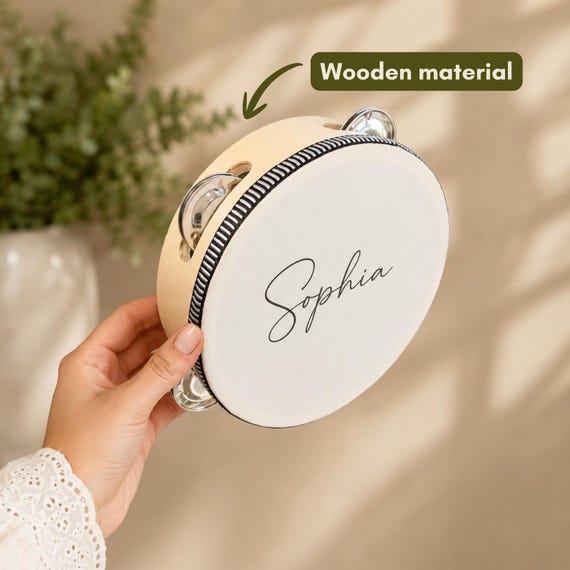
A personal detail guests can use, not just admire
Shop the find ↗18–19. A thoughtful ending and one unmistakably personal touch
The final part of the reception deserves as much planning as the entrance. Tell guests how the evening will finish, particularly if transport, taxis or a last shuttle are involved. Keep coats, cards and gifts secure and easy to collect, and arrange a sober person or venue contact to deal with forgotten belongings. If you are planning a sparkler exit, confetti moment or group farewell, confirm the venue’s rules, provide clear instructions and make sure there is a safe alternative for guests who do not want to take part. Finally, choose one detail that could only belong to your wedding. It might be a family recipe on the menu, a short audio message from someone unable to attend, a table named after places you have lived or a song connected to your relationship. Explain the meaning briefly through a menu note, welcome sign or speech, rather than expecting guests to guess. Specificity is what makes a detail memorable: a small choice with a real story usually stays with people longer than a room full of generic decorations.