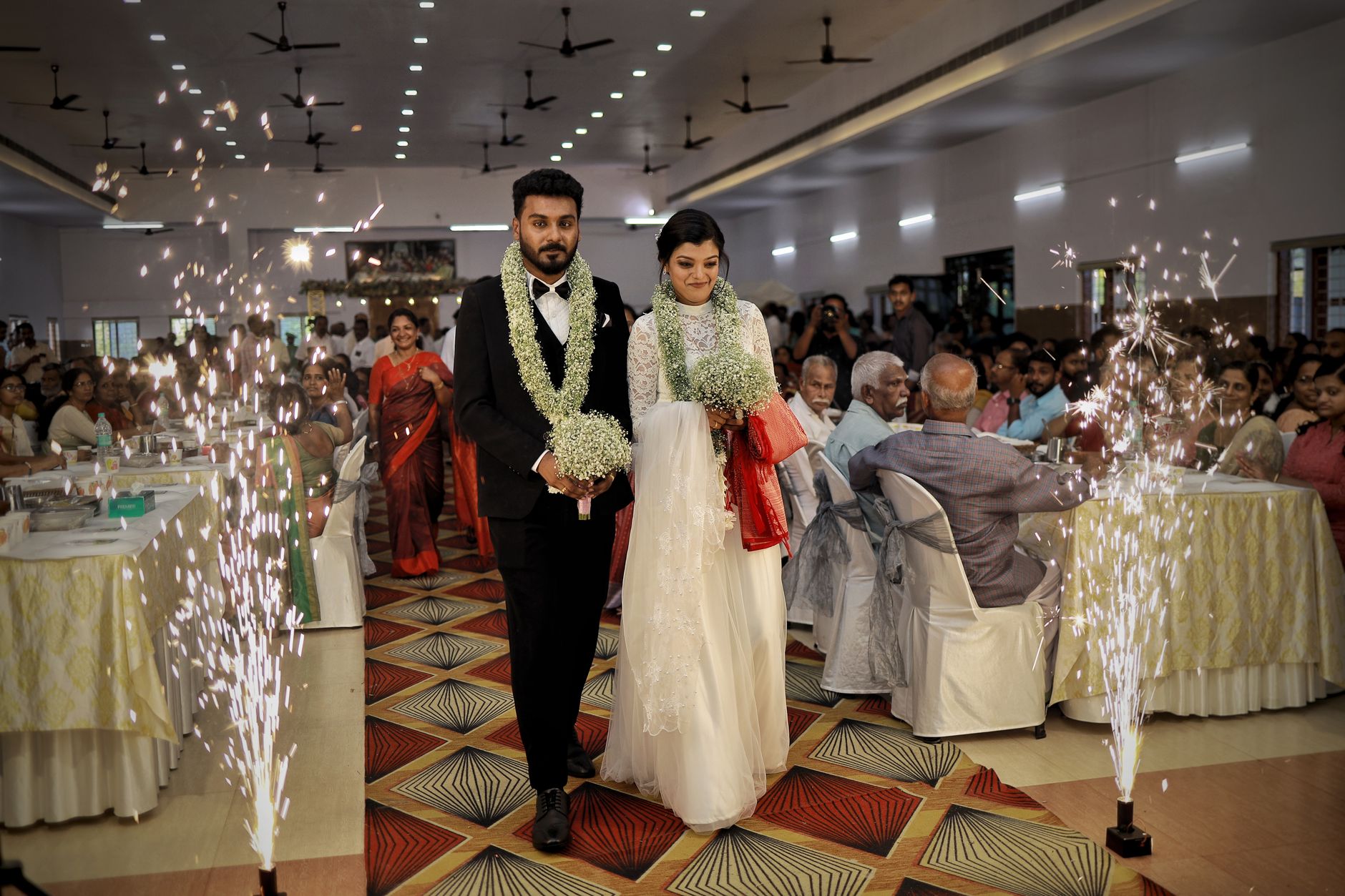
The most memorable wedding gifts do more than mark the date: they help a couple revisit the voices, places, photographs and private details that made the day theirs. This list focuses on keepsakes with a clear purpose, from preserving ceremony words to turning everyday objects into reminders of the celebration.
A wedding-day binder that becomes part of the story
A practical organiser can become unexpectedly sentimental when it holds the details that made the day happen: the final timeline, readings, vows, supplier notes, table plan and handwritten messages. Encourage the couple to add a pocket for ceremony stationery and a short page explaining one decision they were especially glad they made. Those notes will often mean more later than a perfectly styled cover. A digital template such as {{listing:4453063308}} can help organise the planning material before the wedding, but its lasting value comes from what the couple adds themselves. Suggest printing only the pages they need, annotating the schedule after the event and storing a pressed place card, menu or ribbon inside rather than allowing the binder to become an overfilled archive.
A box of handwritten letters for future anniversaries
Give the couple a set of envelopes labelled for specific moments: their first anniversary, a difficult season, a milestone birthday, a future home move or an ordinary Tuesday when they need encouragement. Ask friends and family to write about a quality they admire in the couple or a moment from the wedding that they hope will be remembered. Clear prompts produce warmer letters than a vague request to write something nice. Keep the instructions simple: date each letter, avoid revealing private information the couple would not want shared and seal the envelopes before handing them over. The couple can decide when to open them, which makes the gift adaptable rather than tied to one particular anniversary tradition.
A custom wedding photo light
A favourite wedding photograph can become part of the couple’s everyday life when it is displayed somewhere they actually spend time, such as a bedside table, bookcase or hallway shelf. Choose an image with a clear emotional cue rather than merely the most formal portrait: a laugh during the speeches, a quiet look before the ceremony or a frame that includes a meaningful place. {{listing:4520157770}} is suited to couples who want a photograph to remain visible after the album has been put away. Before ordering any personalised photo item, check the image resolution, crop and lighting, and consider whether the couple prefers a candid moment, a family photograph or a picture of the two of them alone.
A ring box chosen to be kept, not discarded
Ring packaging is easy to treat as a temporary detail, yet it can become a compact reminder of the promise itself. A keepsake box is especially thoughtful when it reflects the couple’s story through a date, initials or a short phrase that will still feel meaningful years from now. Keep the wording restrained; a private reference usually ages better than a long quotation. A personalised option such as {{listing:4520193231}} can be used for the ceremony and then stored with other small heirlooms. Tell the couple to check the ring fit before the wedding day, keep the box away from loose confetti or moisture during photographs and decide in advance where it will live after the rings have been exchanged.
A recipe collection from the people who love them
Ask parents, grandparents, siblings and close friends to contribute one recipe connected to a memory, not simply their most impressive dish. A short note about when the meal was served, who cooked it or why the couple should make it on a rainy evening gives each page a personal anchor. Include recipes from both families where possible, while leaving space for the couple to add their own first shared meals. A useful format is one recipe per card, with the contributor’s name and a date on the back. Scan fragile originals before binding them, clarify unusual measurements and invite contributors to mention substitutions. The result is more useful than a decorative cookbook because it captures family voice as well as instructions.
A wedding-day sound archive
Music often brings back a wedding faster than a photograph, so create a small sound archive with the processional, recessional, first-dance song and tracks played during a particularly memorable part of the reception. Add a note beside each choice explaining who selected it and what was happening when it played. That context prevents the playlist from becoming a list of titles without a story. Where permissions or platform access may change, pair the playlist with a written track list and a short voice recording from guests. Ask people to record messages in a quiet room and label each file clearly. Store a copy in more than one place, because sentimental digital gifts are only useful if the couple can still open them later.
A small album for the photographs that never made the main book
Professional albums usually prioritise the strongest images, but the overlooked photographs can contain the most revealing details: a child watching the ceremony, a half-finished dessert, a bustling preparation room or a friend fixing a button. A compact secondary album gives these images somewhere to belong without competing with the formal wedding album. Leave a little space beneath some photographs for captions written by the couple. Avoid arranging every page by visual perfection; a sequence of details can recreate the movement of the day more effectively than a page of posed portraits. If several people contributed images, note the photographer’s name and keep the original files with the printed copies.
A map marking the places behind the celebration
A map becomes sentimental when it records more than the venue. Mark where the couple met, had an early date, became engaged, married and spent an especially important trip together. If family members travelled for the wedding, add their locations in a separate key rather than crowding the main design with too many labels. Choose a format that can grow: a framed print with removable markers, a scrapbook page or a digital file the couple can update. Add dates and one-line memories, but check every place name and spelling before presenting it. The point is not geographical precision alone; it is showing how separate places gradually led to one shared day.
A wedding guest-message archive
Guest books can become repetitive when people are given no direction, so provide prompts that invite specific memories: What should we remember about today? What have you learned from our relationship? What should we do when married life feels ordinary? A few targeted questions encourage stories and useful wisdom rather than dozens of identical congratulations. For guests who are less comfortable writing, offer cards with plenty of room and the option to add a drawing, recipe, photograph or short memory. Keep completed cards flat, number them and record who contributed each one. The couple can bind them later, store them in a box or revisit a handful on each anniversary.
A framed copy of the vows or ceremony reading
The words spoken during a ceremony can disappear into the day’s activity, particularly when the couple wrote personal vows under time pressure. A carefully typeset copy makes those words easy to revisit, whether displayed in the bedroom or kept in a drawer with other documents. Use the exact final wording, including any meaningful line breaks or language choices. Ask whether the couple wants the vows displayed publicly before choosing a frame or layout. Some people prefer an understated page with the wedding date; others may value a handwritten version or a copy of a family reading. Avoid correcting grammar or smoothing unusual phrasing: the original voice is part of the keepsake.
A box of wedding-day details
A memory box is most effective when it has a simple collecting system. Include compartments or envelopes for the invitation, order of service, place cards, fabric swatches, a dried flower, a menu, transport ticket or small note passed during the day. Avoid adding anything damp, such as fresh flowers, and make sure printed items are fully dry before storing them. Label the box with the date and venue, then leave several empty sections for later additions such as an anniversary card or a photograph from a return visit. Acid-free tissue or archival sleeves can help protect delicate paper, but the essential habit is reviewing the contents every few years and removing anything that shows signs of moisture.
A private anniversary journal
A journal with one spread per year gives the couple a low-pressure way to record how their life changes after the wedding. Useful prompts include what made them laugh, what they learned together, a place they returned to, a challenge they handled and one hope for the next year. These questions encourage honesty without turning the journal into a performance. Give them permission to skip years or write only a few lines. A journal should support the relationship rather than create another obligation. Tuck in the wedding date and the couple’s original vows as the opening pages, then leave enough blank space for photographs, ticket stubs or a child’s drawing if their family grows.
A fabric keepsake made from wedding textiles
A small piece of wedding fabric can be transformed into something the couple will use: a cushion panel, bookmark, patchwork square or fabric-covered box. Suitable sources might include a spare ribbon, a swatch from an outfit, a napkin corner or a piece of bunting, provided it is clean and the couple is happy for it to be altered. Do not cut an important garment or heirloom without explicit permission. Photograph the original item first, label the fabric’s source and keep any unused pieces in an envelope. A discreet stitched date on the reverse can add meaning without making the finished object look like event merchandise.
A collection of family wedding photographs
Invite relatives to lend or scan photographs from their own weddings, then arrange them with names, dates and relationships. The purpose is not to compare ceremonies; it is to show the couple the people and partnerships that came before them. A short caption about where each image was taken or who appears in it can turn a stack of unidentified photographs into a family record. Handle original prints carefully, avoid writing directly on the back and return borrowed photographs promptly. If the family has mixed feelings about particular images, let the couple choose what belongs in the final collection. A digital folder with clear filenames is useful alongside printed copies, especially when several generations are represented.
A first-home memory object
Choose a small, durable object that connects the wedding to the couple’s shared home: a serving piece engraved with the date, a decorative item tied to the ceremony colours or a useful object purchased for their first hosting occasion. The strongest choice is one that will be handled, not placed in a cupboard solely because it is too precious to use. Include a note explaining why you chose it and suggest a first ritual, such as using it for the couple’s first anniversary breakfast. Avoid assuming their taste, storage space or entertaining habits. If you are unsure, ask a close friend about materials and colours before selecting anything personalised.
A time capsule to open on a chosen anniversary
A time capsule can capture what the couple believed, enjoyed and hoped for at the beginning of married life. Add a dated letter, a newspaper or magazine item, a list of current favourite songs, predictions about the next few years and a photograph of their everyday routine rather than only the wedding itself. Agree on an opening date and write it clearly on the outside. Avoid including irreplaceable originals, confidential messages or anything that may spoil with age. A sealed digital folder can accompany the physical capsule, but include a readable note describing the files and how they can be accessed.
A celebration of the people who made the day possible
Many wedding memories depend on people whose work is invisible in the final photographs: someone who altered an outfit, drove a relative, calmed a child or assembled flowers before sunrise. Create a small set of thank-you notes that names the specific help each person gave. Specificity makes gratitude feel observed rather than generic. For suppliers, follow the couple’s preferences about public reviews and sharing photographs. For friends and relatives, a printed photograph or copied ceremony reading can accompany the note. Keep the focus on appreciation, not on asking anyone to contribute more; the gift is strongest when it closes the loop on support already given.
A return-visit plan for a meaningful wedding place
If the venue, town or landscape mattered to the couple, give them a plan for revisiting it rather than merely a picture of it. Include a proposed season, a nearby walk, a café or meal option and one simple activity connected to the wedding day. Leave the date flexible so the idea feels inviting rather than like another appointment to manage. Check access, opening times and travel requirements before presenting practical details, and frame them as suggestions rather than promises. The couple might return for their first anniversary, bring future family members or visit years later when the original day has become part of a much longer story.
A deliberately ordinary anniversary ritual
The most lasting wedding gift may be a repeatable ritual rather than an object. Suggest that the couple cook the same meal each anniversary, read their vows aloud, take a photograph in the same place or write down one thing they appreciated about each other that year. The ritual should be short enough to survive busy schedules and flexible enough to adapt to changing circumstances. Write the idea in a card with a first-year version and optional variations for later years. Avoid presenting one tradition as the correct way to celebrate; some couples prefer quiet mornings, others prefer hosting friends or taking a walk. What matters is creating a reliable pause for noticing the life they are building together.